Review: Gaming Svg, Gamer Svg, Respawn Svg for Real Embroidery
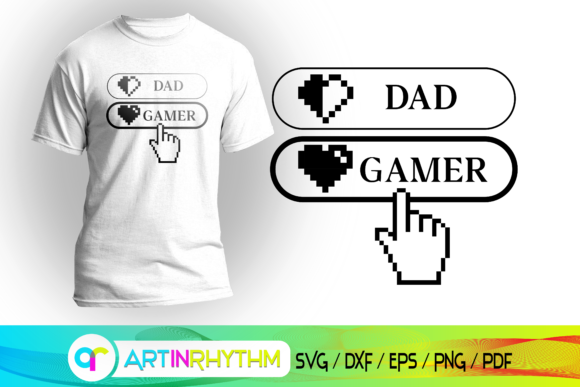
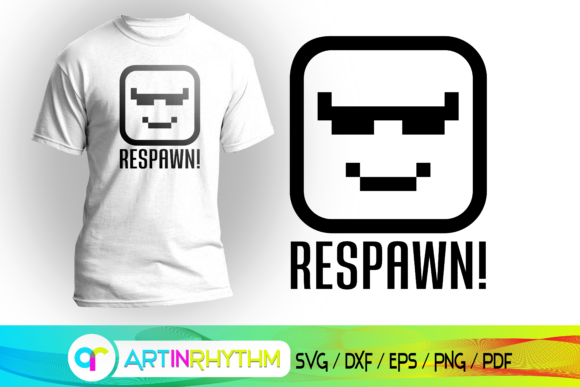
I have spent years reviewing digital design assets for my own boutique and the clients I work with. When a new listing pops up in the Crafts category under Graphics, I don't just look at the preview image. I think about the needle, the thread tension, and how the final piece will sit on a customer's shoulder or a child's backpack. Recently, I evaluated a file titled Gaming Svg, Gamer Svg, Respawn Svg to see if it truly holds up as a viable option for serious embroidery projects.
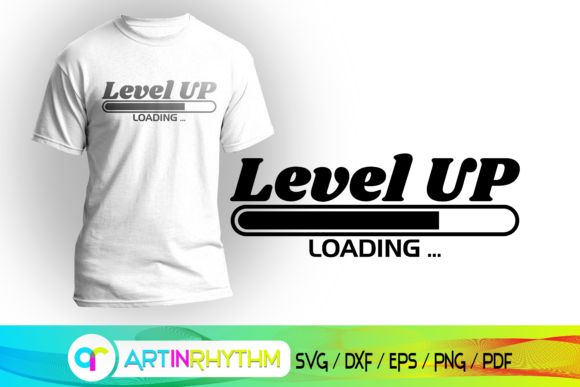
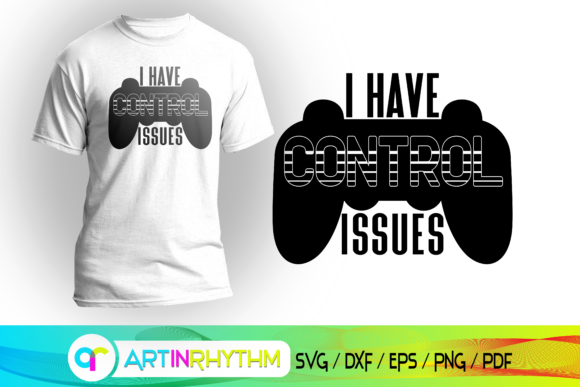
My first impression was one of immediate recognition. The design captures that specific subculture energy without feeling cluttered. It has a clean, bold personality that screams "gamer" instantly. In the world of handmade goods, recognition is half the battle won. This file doesn't just look like a generic logo; it feels like a badge of honor. For an embroidery designer, this means less time explaining what the item is and more time focusing on the quality of the stitch. It creates a mood that is energetic, modern, and slightly edgy, which fits perfectly into the current trend of gaming-themed apparel and accessories.
Putting It to the Test: A Real-Life Scenario
Let me walk you through exactly how I visualized using this design in a real-world setting. Imagine you are prepping for a busy weekend craft fair or fulfilling a rush order for a local client who loves retro gaming. You need a custom embroidered tote bag to give away as a promotional item for a new video game launch party.
I took the Gaming Svg, Gamer Svg, Respawn Svg file and placed it mentally onto a heavy-duty canvas tote. The layout suggests a central placement that draws the eye immediately. Unlike some designs that require complex digitizing to make them readable, this vector file appears ready to translate well into stitches. I imagined using a vibrant neon green thread against a black background, or perhaps a classic white satin stitch on a navy blue sweatshirt. The contrast potential here is high, which is crucial for any embroidery project that needs to stand out in a crowded market.
The shape of the design allows it to work well on curved surfaces, too. Picture a dad cap or a beanie. The curve of a hat can sometimes distort a wide graphic, but if the hoop size is selected correctly, this design should maintain its integrity. It feels like a natural fit for custom apparel where the wearer wants to show off their hobby without wearing a full t-shirt covered in logos. It strikes that perfect balance between subtle branding and statement making.
Performance on Different Fabrics and Products
When evaluating an embroidery file, fabric choice is everything. This design seems versatile enough to handle various textures, but it shines brightest on stable fabrics. I would recommend testing it on medium-weight cotton twill for hats or a dense fleece for hoodies. The fill areas in the design likely need a solid foundation to prevent puckering.
For small business owners looking to expand their Etsy seller inventory, this asset could be a goldmine. Think about baby onesies for a "Little Gamer" theme or personalized aprons for a parent who cooks while streaming. The design is detailed enough to add value but not so intricate that it becomes unrecognizable when stitched. It works beautifully as a personalized gift because it resonates deeply with the recipient's identity. However, I must advise caution with thin, stretchy fabrics like jersey knit unless you use a heavy-duty stabilizer. The density of the stitching required for this type of graphic might cause a lightweight tee to pucker if the backing isn't robust.
Another strong application is for embroidered patches. If you are selling patches as standalone items, the clean lines of this design will likely hold up well to edge-to-edge cutting. It adds a professional touch to merchandise that feels mass-produced yet remains unique. For holiday gifts, imagine a set of matching kitchen towels featuring this design for a gamer couple. The versatility here extends far beyond just clothing; it touches home decor, accessories, and even tech cases.
Where to Exercise Caution
While the design is promising, there are specific scenarios where you need to be careful. Small hoop sizes are the enemy of detail. If you attempt to stitch this on a 4x4 hoop or smaller, the fine details might get lost or merged together during the stitching process. Always check the dimensions before committing to a tiny product like a keychain or a small button.
Dense stitch areas can also be tricky. If the design relies heavily on tight fill stitches, it may create a stiff texture that feels uncomfortable against the skin. This is particularly important for baby embroidery, where softness is a priority. If the design feels too rigid after stitching, consider reducing the stitch density or switching to a lighter weight thread. Dark fabrics can hide the nuances of the design, especially if the thread colors are similar to the background. Always test your thread color contrast on scrap fabric first.
Curved surfaces like caps require precision. If the design is too wide for the curvature of the hat, the sides will look distorted. Similarly, if you are working with textured fabrics like corduroy or bouclé, the needle might struggle to penetrate consistently, leading to uneven coverage. In these cases, a smoother fabric or a different design style might yield better results.
Designer Notes for Professional Results
To ensure your finished product looks as good as the digital mockup, follow these practical steps. First, always run a test on scrap fabric. This simple step saves you from ruining a customer's garment due to unexpected tension issues. Check your stitch density settings; if the design is too dense, it will be hard to iron and uncomfortable to wear. If it is too sparse, the fabric might show through.
Inspect small details closely. Sometimes, tiny elements in a machine embroidery design can disappear if the thread color is too light or the fabric is too dark. Use proper stabilizer to support the fabric during stitching. For commercial embroidery projects, confirm the licensing terms of the digital embroidery file before selling the finished items. Ensure you have the right permissions for both personal and commercial use.
Compare your design in black and white mockups to see how it translates without the distraction of color. This helps you understand the true form and structure of the graphics. Finally, consider the end-user experience. Does the design feel premium? Does it align with the brand consistency of your shop? A well-executed handmade product builds trust and encourages repeat business.
In conclusion, the Gaming Svg, Gamer Svg, Respawn Svg offers a solid foundation for creating engaging, high-value items. It captures the spirit of the gaming community effectively and translates well into physical form. Whether you are a hobbyist making gifts for friends or a creative entrepreneur building a brand, this design asset has the potential to elevate your finished product lineup. Just remember to respect the technical limitations of embroidery and test thoroughly before hitting the production line.